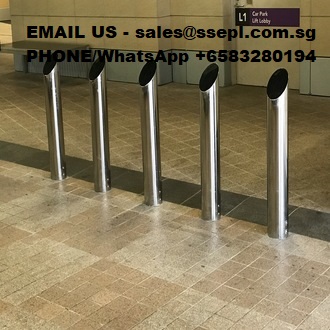
SS 316 bollards are cylindrical posts made from 316 stainless steel, a high-grade material known for its superior resistance to corrosion and rust. This type of stainless steel contains molybdenum, which enhances its durability, making it ideal for outdoor environments where exposure to moisture, salt, and harsh weather conditions is common.
Singapore Specialized Engineering Pte ltd

Category: Stainless Steel Fabrication
SS Bollard
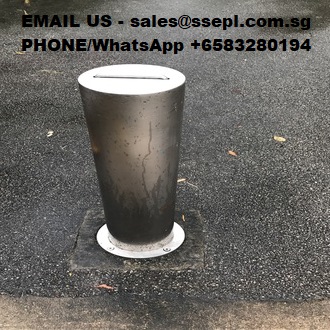
An SS Bollard (Stainless Steel Bollard) is a short, sturdy vertical post designed primarily to control vehicle access and protect pedestrian areas. Made from durable stainless steel, these bollards are resistant to corrosion and wear, making them an ideal choice for various environments, from urban streets to commercial complexes.
Designer SS 304 Bollard
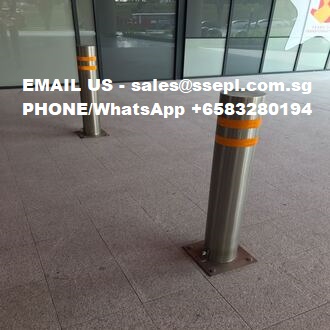
SS 304 refers to a type of stainless steel that is widely recognized for its resilience and corrosion resistance. Bollards made from this material are commonly used in urban environments, commercial properties, and residential areas to define spaces, enhance safety, and improve the overall aesthetic.
Designer SS 316 Bollard
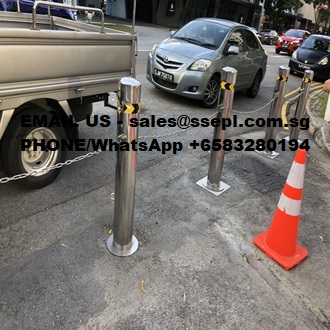
SS 316 refers to a specific grade of stainless steel known for its superior corrosion resistance, especially in harsh environments. Ideal for coastal areas and urban settings, SS 316 bollards are not only durable but also stylish. These bollards are designed to withstand the elements while providing a sleek and modern look that complements a variety of landscapes.
Designer Stainless Steel Bollard
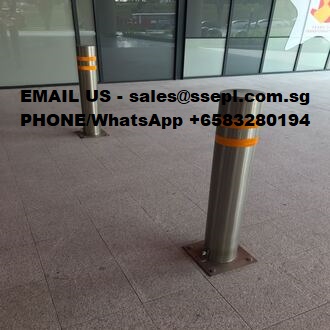
Stainless steel bollards are sturdy, vertical posts used to control or direct traffic, protect pedestrians, and enhance the visual appeal of public and private spaces. Made from high-quality stainless steel, these bollards are resistant to corrosion and provide a sleek, modern aesthetic. Available in various designs, sizes, and finishes, they cater to both functional and decorative needs.
Stainless Steel Ladder Rung

Stainless steel ladder rungs are the horizontal steps that form the ladder’s structure, allowing users to climb safely. Made from high-quality stainless steel, these rungs are designed to withstand the test of time, offering both strength and corrosion resistance. Unlike traditional wooden or aluminum rungs, stainless steel rungs provide enhanced safety and durability.
Stainless Steel Rung
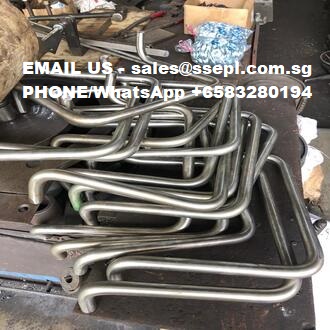
When it comes to choosing the right material for your rungs, stainless steel stands out as the premier choice. Whether you’re outfitting a ladder, platform, or any structure that requires a reliable support system, stainless steel rungs offer unmatched benefits. In this guide, we’ll explore the advantages of stainless steel rungs, their applications, and why they are a superior choice for your needs.
SS 304 Tactile Indicator
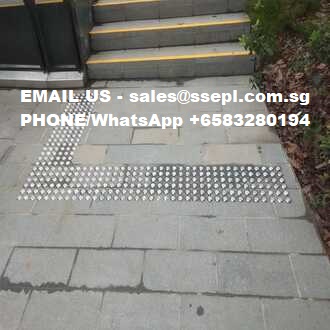
Tactile indicators, also known as tactile paving or tactile ground surface indicators (TGSIs), are specially designed surfaces that provide visual and tactile cues to assist visually impaired individuals in navigating their surroundings safely. These indicators are typically installed on walkways, train stations, and public buildings to guide users toward hazards or changes in direction.
SS 304 Tactile
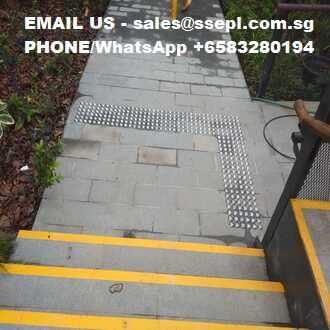
SS 304, or Stainless Steel 304, is an austenitic alloy known for its excellent corrosion resistance, durability, and aesthetic appeal. This alloy is composed of approximately 18% chromium and 8% nickel, making it ideal for various applications, including kitchen equipment, food processing, and architectural structures. Its non-reactive nature ensures that it is safe for use in environments where hygiene is a priority.
SS 316 Tactile Indicator
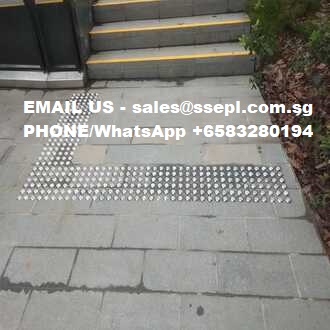
SS 316 tactile indicators are specialized visual and tactile aids designed to assist individuals with vision impairments navigate public spaces safely. Made from SS 316 stainless steel, a material known for its corrosion resistance and durability, these indicators are commonly used in urban environments, transportation hubs, and commercial buildings. Their primary function is to provide directional cues that can be felt underfoot, helping users detect pathways, hazards, and transitions in their surroundings.